Transform Your Space with Sustainable Wood Wall Paneling
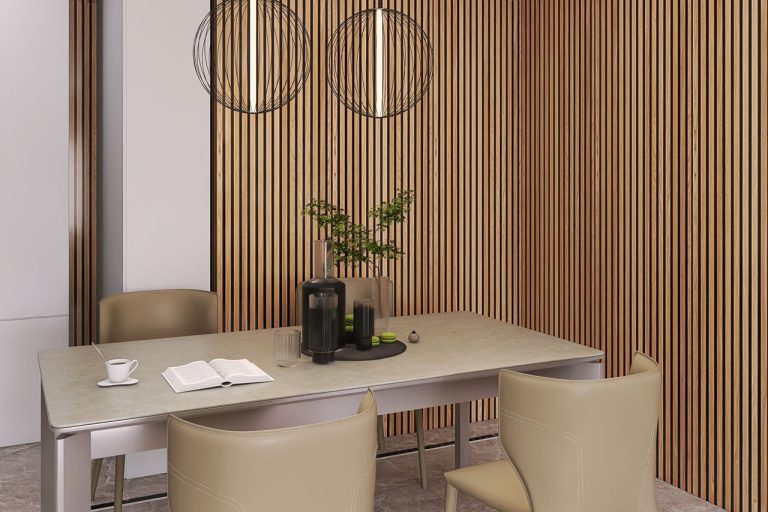
Transform Your Space with Sustainable Wood Wall Paneling
Sustainable wood wall paneling provides the ideal balance of elegance, durability, and environmental responsibility. Choosing
ensures you prioritize both style and sustainability in your interior projects. Whether you’re constructing a cozy home or an exquisite commercial place, this eco-friendly option lets you improve interiors while also helping the environment. Let’s go deeper into what makes sustainable wood wall paneling an excellent solution for modern homes.
The Rise of Sustainable Wood Wall Paneling
As homeowners and designers grow more ecologically thoughtful, sustainable materials have gained popularity. Wood wall paneling, a traditional design element, has been updated to incorporate eco-friendly features. This shift toward sustainability reflects an increasing awareness of responsible consumerism and a desire to lessen the impact on the environment.
What Sets Sustainable Wood Apart?
- Renewable Sourcing: Sustainable wood is sourced from well-managed forests or obtained from abandoned constructions, resulting in minimum environmental impact.
- Energy Efficiency: Producing wood panels requires less energy than producing synthetic materials such as plastic or metal.
- Longevity: High-quality sustainable wood wall paneling lasts longer than many alternatives, eliminating the need for regular replacements.
Popular Types of Sustainable Wood Wall Paneling
The best sort of wood paneling relies on your aesthetic tastes, price, and dedication to sustainability. Here’s a closer look at some environmentally friendly options:
1. Reclaimed Wood
Reclaimed wood panels are made from recycled resources, including old barns, factories, and shipping crates. Each piece has its own history and texture, bringing personality to your space.
- Pros: Reduces waste while adding rustic appeal and durability.
- Cons: Processing and sourcing result in a slight increase in cost.
2. Bamboo Panels
Bamboo grows quickly, making it one of the most sustainable resources on the earth. Its adaptability allows it to simulate hardwood aesthetics while remaining lightweight and inexpensive.
- Pros: Renewable, simple to install, with a modern appearance.
- Cons: Regular maintenance is required in humid conditions.
3. Engineered Wood
Engineered wood panels are manufactured from byproducts such as sawdust and wood fibers, which are pressed together with environmentally friendly adhesives. Designers often recommend
for its ability to blend beauty with environmental responsibility.
- Pros: Affordable, sustainable, and available in many finishes.
- Cons: May lack the characteristic grain of real wood.
Why Homeowners Love Sustainable Wood Wall Paneling
Still not sure if sustainable wood wall paneling is appropriate for you? Here are some evident features that make it a leading choice for interior design:
- Eco-Friendly: Helps decrease deforestation and promotes renewable resources.
- Aesthetic Appeal: Brings warmth and elegance to any area.
- Energy Efficiency: Wood’s natural insulating capabilities help to keep indoor temperatures stable.
- Healthier Spaces: Nontoxic coatings and adhesives improve indoor air quality.
Sustainability Certifications to Look For
When choosing sustainable wood wall paneling, check for credentials that ensure environmental responsibility:
- FSC Certification: Ensures that the wood is from well-managed forests.
- PEFC Certification: Promotes sustainable forest management throughout.
- GreenGuard Certification: Verifies low chemical emissions for improved indoor air quality.
Creative Ways to Use Sustainable Wood Wall Paneling
Sustainable wood wall paneling is incredibly versatile, offering countless design possibilities for homes and businesses.
Accent Walls
A stunning wood-paneled accent wall can serve as a focal point in your living room or bedroom. For a rustic look, choose recycled wood, while bamboo adds a modern touch.
Ceiling Panels
Wood isn’t only for walls! Sustainable wood ceiling panels create a comfortable, extravagant atmosphere in dining areas, entryways, and even kitchens.
Commercial Spaces
Use sustainable wood wall paneling in offices, cafes, and retail businesses to create a friendly environment that reflects environmental principles.
Tips for Maintaining Your Wood Wall Paneling
Follow these maintenance suggestions to keep your sustainable wood wall paneling looking great for years to come.
- Dust Regularly: Use a soft cloth or a microfiber duster for removing dirt and debris.
- Avoid harsh cleaners: Use gentle, eco-friendly cleaning solutions.
- Protect from Moisture: To prevent water damage in humid environments, apply a sealer or finish.
- Polish Occasionally: Use natural oils to restore the wood’s luster and prevent cracking.
FAQ: Sustainable Wood Wall Paneling
Here are answers to some common questions about sustainable wood wall paneling:
What is the definition of sustainable wood wall paneling?
Sustainable wood wall paneling is created from thoughtfully sourced or salvaged wood, reducing environmental impact while delivering a long-lasting and beautiful interior solution.
Is sustainable wood paneling more expensive than standard alternatives?
The cost varies based on the type of wood, but sustainable paneling is frequently reasonably priced, especially given its endurance and eco-friendliness.
Can I put wood paneling in humid areas?
Yes, however, it is critical to select moisture-resistant materials such as bamboo or apply sealants to protect the wood.
How can I know if my wood paneling is sustainable?
Look for certificates such as FSC or PEFC to ensure the wood was properly obtained.
Why Choose Sustainable Wood Wall Paneling?
Sustainable wood wall paneling is not just a decor trend; it’s a purposeful decision for a greener, healthier future. From recycled wood to bamboo and engineered choices, there’s something for every area and style. Many certified materials for
come from responsibly managed forests. Choosing eco-friendly materials not only elevates your interior design but also has a long-term positive impact on the environment.
Key Takeaways:
- Sustainable wood wall paneling improves both beauty and responsibility for the environment.
- Choose from preserved wood, bamboo, or engineered panels.
- Prioritize certified products to ensure sustainability.
Transform your area immediately with the timeless beauty and environmentally friendly advantages of sustainable wood wall paneling!